
Rarity Tiers, Explained Honestly
Every Siege cosmetic carries a rarity band, from Common to Legendary. The band hints at scarcity and design effort — but it never guarantees a price. Here’s what each tier really tells you.
//- 01 - THE BANDS
THE BANDS, FROM EVERYDAY TO SCARCE
Siege sorts its cosmetics into rarity bands, and the band is shown on the item itself. From most plentiful to scarcest, the ladder runs:
- Common — the everyday tier. Plain designs, released in the largest numbers, and the items players accumulate fastest.
- Uncommon — a step up in design detail and a step down in how often they appear.
- Rare — noticeably less frequent, usually with stronger visual treatment.
- Epic — scarce, elaborately designed pieces that most players own only a handful of.
- Legendary — the top band: the rarest releases and generally the most elaborate designs in the game.
Think of the ladder as a rough measure of how many copies entered the game and how much design work each item carries. Useful information — just not the whole story, and treating it as the whole story is where traders go wrong.

//- 02 - WHAT RARITY SIGNALS
WHAT RARITY ACTUALLY SIGNALS
A tier tells you three things reliably. First, relative scarcity at release: higher bands were distributed in smaller numbers, so fewer copies exist. Second, design intent: the higher the band, the more elaborate Ubisoft generally made the item. Third, expectations: a high band creates a presumption of desirability before anyone looks at a price. What rarity does not measure is how many of those copies can actually trade. Eligibility is decided item by item — some items never trade at all, and current-season items stay locked until the following season whatever their tier. A Legendary that cannot be listed has scarcity, but no market.

//- 03 - RARITY IS NOT A PRICE
WHY RARITY IS NOT A PRICE TAG
Price is set where supply meets demand, and rarity covers only half of that equation. Demand answers to things the tier system never touches: how popular the operator or weapon is, whether the design is liked, how visible the item is, and simple fashion. That is why the ladder regularly produces results that look backwards to new traders. A well-loved Rare skin for a heavily played operator can draw stronger, deeper bidding than an Epic or Legendary piece for something rarely used — the wanted item has buyers competing, and the unwanted one, however scarce, has a book of hopeful asks and no bids. Scarcity without demand is just an expensive listing that never fills.

//- 04 - USING TIERS
HOW TO USE TIERS WHEN YOU TRADE
Treat rarity as context, not conclusion. As a buyer, let the tier set your expectations for a fair negotiation — then check the actual book before believing any of it. As a seller, price from demand and the resting orders, not from the colour of the band; the 10% seller fee comes out of a completed sale, and an unsold Legendary earns nothing. And if you are planning around an item you have just acquired, remember it sits under a 15-day resale hold before it can be listed — tier, price and timing all belong in the same decision.
//- 05 - TIERS ACROSS CATEGORIES
A TIER MEANS THE SAME THING IN EVERY CATEGORY — SORT OF
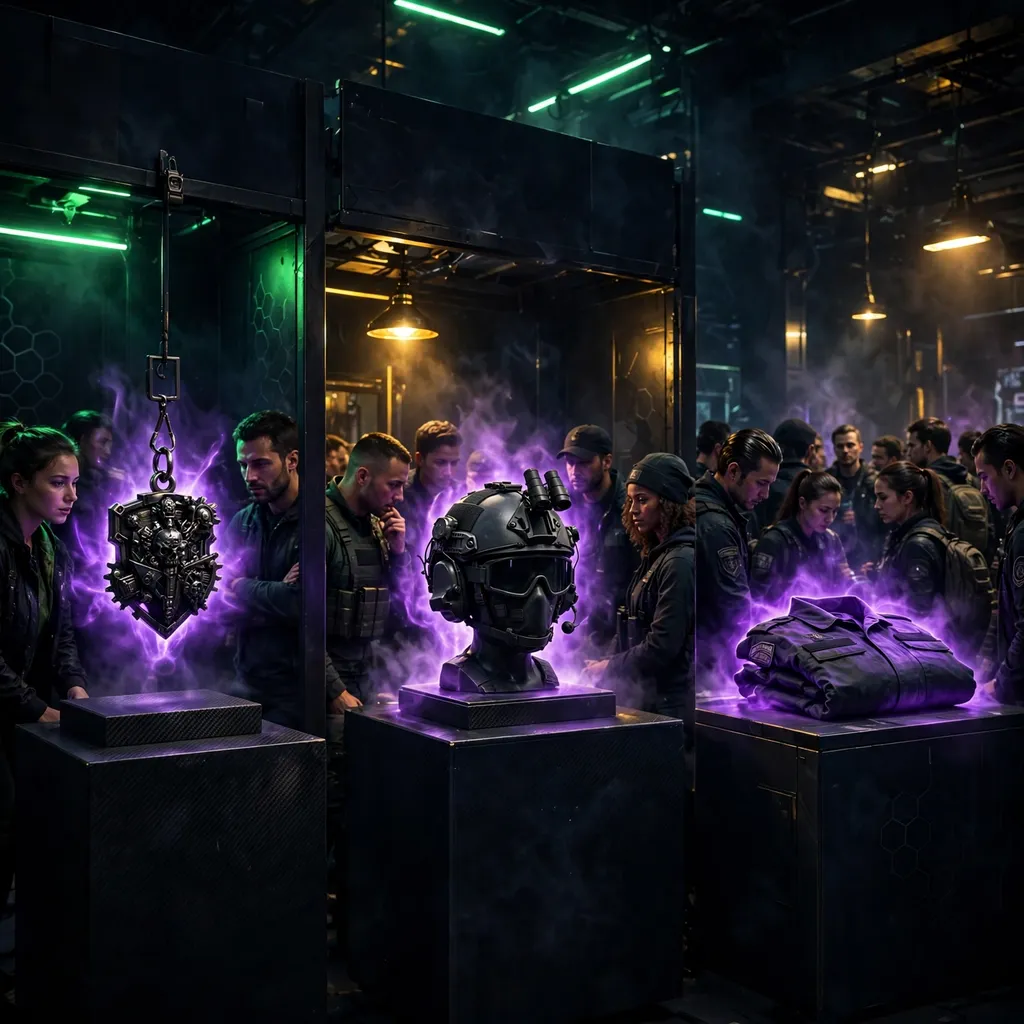
The ladder is game-wide: a Legendary is a Legendary whether it is a weapon skin, a uniform or a charm. But the tier does not land the same way in every category. Weapon skins are seen in every match and changed constantly, so the market for them is deep and tier differences show up quickly in bidding. Charms and portraits reach far fewer buyers, so even a high-tier piece can sit in a thin book where the tier barely matters. Operator-bound items split the difference: a high-tier uniform for a heavily played operator has a real audience, while the same tier for a rarely picked operator may have almost none. Same band, three different markets — which is why tier is a starting point for a judgement, never the judgement itself.

//- 06 - RARITY MISTAKES
WHAT PLAYERS GET WRONG ABOUT RARITY
The first mistake is pricing by colour: listing an item at “Legendary money” because the band sounds expensive, then watching it rest unsold while lower-tier items trade around it. The second is the reverse — dismissing a Common or Uncommon piece that belongs to a beloved set or a popular operator, when demand can carry it past scarcer items. The third is assuming the tier on a third-party list or an old video is current truth; the card in game is the only reliable reference. And the fourth is forgetting that tier says nothing about eligibility: a low-tier item that can trade is worth more, in market terms, than a Legendary that cannot be listed at all.
//- 07 - FREQUENTLY ASKED QUESTIONS
Straight answers
THE TIERS EXPLAINED
What are the rarity tiers, in order?
From most plentiful to scarcest: Common, Uncommon, Rare, Epic and Legendary. Think of the ladder as a rough measure of how many copies entered the game and how much design work each item carries.
What does a rarity tier actually tell me?
Three things reliably: relative scarcity at release, design intent — the higher the band, the more elaborate the item generally is — and expectations, because a high band creates a presumption of desirability before anyone looks at a price. It does not measure how many of those copies can actually trade.
Can an item's rarity tier change after release?
The band belongs to the item as it was released, so judge any item by the tier shown on its card in game. If a listing or another site describes an item differently, the item card wins.
Does a tier mean the same thing in every category?
The ladder is game-wide — a Legendary is a Legendary whether it is a weapon skin, a uniform or a charm. But it does not land the same way: weapon skins sit in deep markets where tier differences show up quickly in bidding, while charms and portraits reach far fewer buyers, so even a high-tier piece can sit in a thin book where the tier barely matters. Same band, different markets.
Where can I check an item's tier?
On the item itself — the band is shown on the item and its card in game. Treat the card as the only reliable reference, rather than a third-party list or an old video.
RARITY AND TRADING
Is Legendary always the most valuable tier?
No. Legendary means scarcest at release, not most wanted. Prices come from buyers meeting asks, and a popular lower-tier item with heavy demand can outsell an unwanted Legendary that nobody bids on.
Does rarity decide whether an item can be traded?
No. Tradability is set by Ubisoft item by item, and shown on the item’s own card. Tier plays no role in it — and current-season items of any tier stay locked until the next season begins.
Should I price my item by its tier?
No. Price from demand and the resting orders, not from the colour of the band. An unsold Legendary earns nothing — and remember the 10% seller fee comes out of a completed sale, so the ask is never what you receive.
Can a Common or Uncommon item be worth trading?
Yes. Dismissing a lower-tier piece that belongs to a beloved set or a popular operator is a classic mistake — demand can carry it past scarcer items. In market terms, a low-tier item that can trade is worth more than a Legendary that cannot be listed at all.
I just acquired a high-tier item. Can I list it straight away?
No. A newly acquired item sits under a 15-day resale hold before it can be listed. Tier, price and timing all belong in the same decision.
//- 08 - RELATED TOOLS
RELATED TOOLS
- Item Categories — the kinds of cosmetics that trade, and how they differ
- Prices & Item Values — how rarity, supply and demand combine into a price
- Reading a Price — checking the actual book before you trust a number