
Every Kind of Item You Can Trade
The Marketplace trades cosmetics only — but “cosmetics” covers more than weapon skins. These are the official categories, how each one works, and why the differences matter when you buy or sell.
//- 01 - THE MAIN CATEGORIES
THE MAIN CATEGORIES
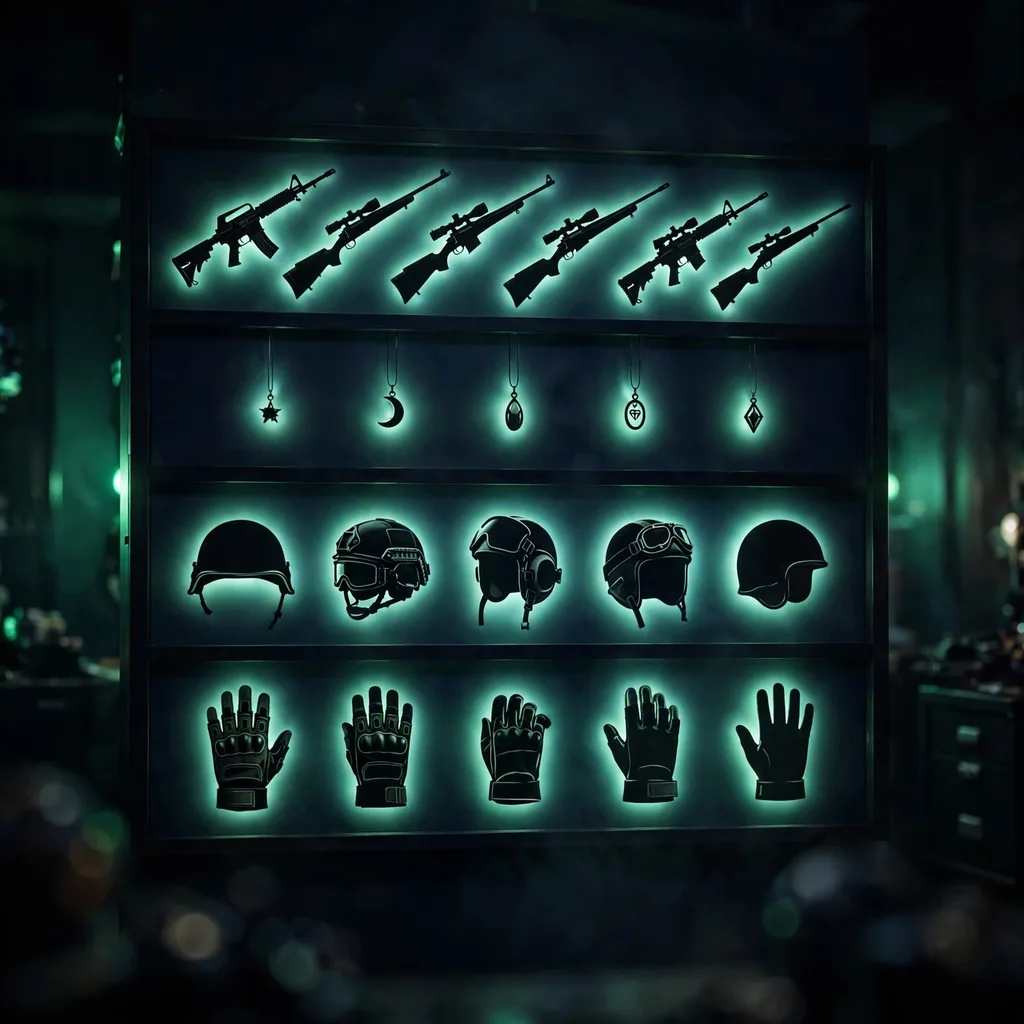
Everything on the Marketplace is cosmetic — nothing affects gameplay — and the bulk of trading happens in five categories:
- Weapon skins — the finish on a specific weapon. The deepest category in the market, and the one most players think of first.
- Attachment skins — the look of a weapon’s attachments, such as sights and grips, applied separately from the weapon’s own skin.
- Headgear — per-operator head items, from simple caps to full helmets and masks.
- Uniforms — per-operator body outfits, paired naturally with headgear but traded as separate items.
- Charms — the small dangling ornaments that hang from a weapon; compact, plentiful, and popular with collectors.
//- 02 - THE ACCOUNT-LEVEL COSMETICS
THE ACCOUNT-LEVEL COSMETICS
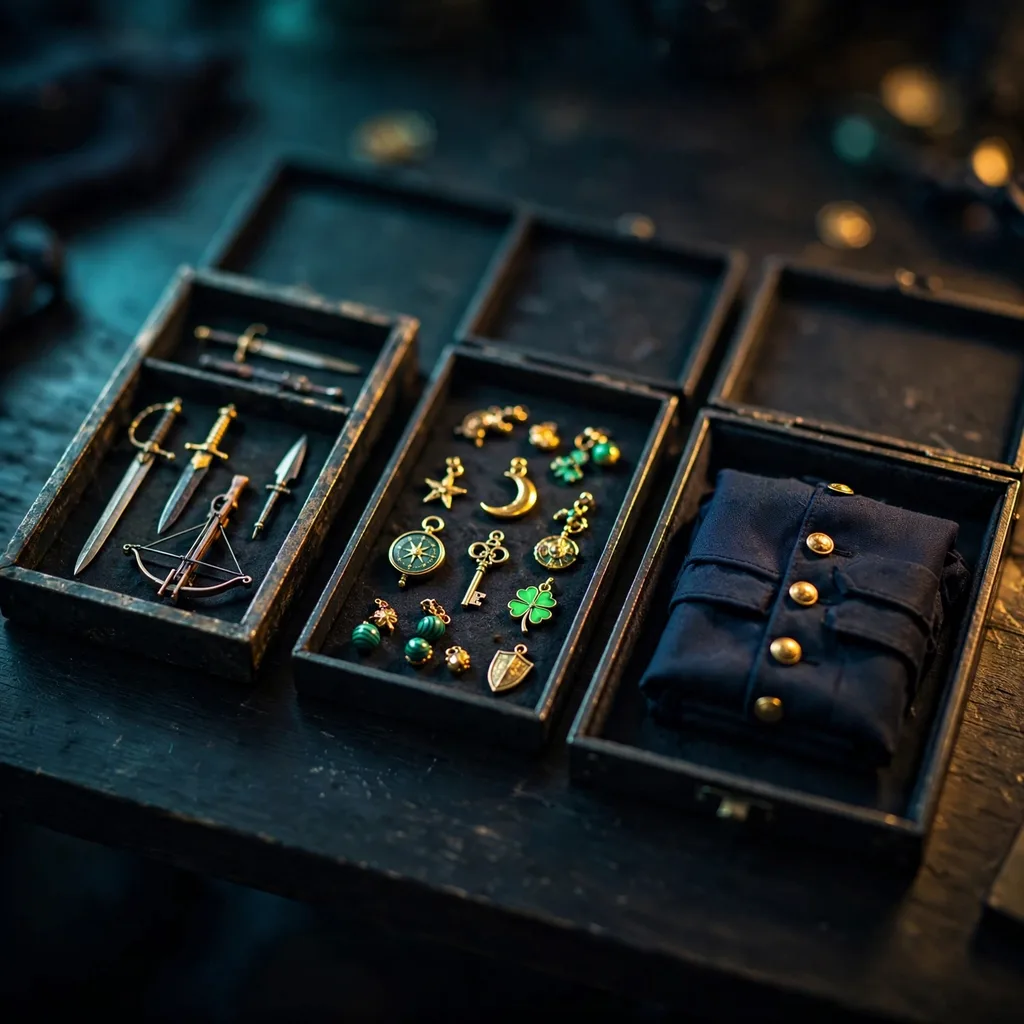
Alongside the five main categories, the Marketplace’s official categories also include three quieter ones: operator portraits, card backgrounds, and drone skins. These decorate your profile and presentation rather than your operator in a match. They trade less heavily than weapon skins and uniforms — fewer players hunt them — but they follow exactly the same order-book rules, and for collectors completing a set they can matter just as much.
//- 03 - HOW THE CATEGORIES BEHAVE DIFFERENTLY
HOW THE CATEGORIES BEHAVE DIFFERENTLY
Category decides who an item fits, and that shapes its market. A weapon skin is made for one specific weapon, so its buyers are the players who run that weapon. Headgear and uniforms are tied to a single operator — an item for an operator you never play has no use to you, however rare it is. Charms are the flexible exception: they attach broadly, so almost any player is a potential buyer, which tends to keep their books busier. Attachment skins sit in between, fitting attachment types rather than a single gun. Before judging any price, check the category and ask how large the item’s natural audience is. Narrow-fit categories have thinner books and slower trades; that is normal for them, not a warning sign.

//- 04 - CATEGORY IS NOT ELIGIBILITY
CATEGORY IS NOT ELIGIBILITY
Being in a tradable category does not make a specific item tradable. Eligibility is decided by Ubisoft item by item: some items are marked non-tradable on their card, and that is final. Items from the current season are locked for everyone and only become tradable when the following season begins. As a rule of thumb, cosmetics from randomised or seasonal distribution tend to be the tradable ones, while items tied to purchases, achievements or promotions generally are not — but “generally” is doing real work in that sentence. The item’s card in game is the only check that counts. Once you buy something, plan around the 15-day hold before it can be resold.

//- 05 - HOW CATEGORY SHAPES PRICE AND PATIENCE
HOW CATEGORY SHAPES PRICE AND PATIENCE
Category quietly decides how a trade feels. Weapon skins for popular weapons sit in deep books: many listings, many bids, narrow spreads, quick fills. Operator-bound categories — headgear and uniforms — split their audience by operator, so books are thinner and prices jumpier; the same rarity can look calm on one operator and chaotic on another. Attachment skins sit between the two poles — their audience is everyone who uses that attachment type, so their books are usually steadier than operator items and quieter than big weapon skins. Charms, fitting almost any loadout, draw the broadest audience of all, which tends to keep their books busier than their size suggests. Portraits, backgrounds and drone skins trade slowest of all: fewer hunters, longer waits, wider spreads. None of this makes one category better than another. It means the patience a category demands is part of its price, and judging a slow category by a fast category’s standards will mislead you every time.

//- 06 - IF YOU ARE NEW: WHAT TO TRADE FIRST
IF YOU ARE NEW: WHAT TO TRADE FIRST
Start where the book is deepest. A tradable weapon skin for a weapon you know well teaches you the whole loop — reading asks and bids, setting a price that respects the 10% seller fee, waiting out a fill — with the least chance of being stranded in an empty market. Move to operator-bound items once you can judge an audience: who plays this operator, and how many of those players want this piece? Keep charms and account-level cosmetics for when you understand thin books, because their prices are the easiest to misread. And whatever the category, check the item card before anything else — category tells you an item can trade in principle, but only the card tells you yours can.

//- 07 - FREQUENTLY ASKED QUESTIONS
Straight answers
THE CATEGORIES
What are the main categories of items on the Marketplace?
Five categories carry the bulk of trading: weapon skins, attachment skins, headgear, uniforms and charms. Everything is cosmetic — nothing affects gameplay.
What are the account-level cosmetics?
Operator portraits, card backgrounds and drone skins. These decorate your profile and presentation rather than your operator in a match. They trade less heavily than weapon skins and uniforms, but they follow exactly the same order-book rules.
If I buy a weapon skin, does it work on every weapon?
No. A weapon skin is made for one specific weapon, and it only applies there. Siege does have a separate idea — universal skins that span weapons — which is why it’s worth checking an item’s category before you buy.
What is an attachment skin?
The look of a weapon’s attachments, such as sights and grips, applied separately from the weapon’s own skin. Attachment skins fit attachment types rather than a single gun, so their audience is everyone who uses that attachment type.
Which category can almost any player use?
Charms. They attach broadly, so almost any player is a potential buyer, which tends to keep their books busier than their size suggests.
CATEGORIES AND TRADING
Can I trade gameplay items, like gadgets or boosters?
No. The Marketplace is cosmetics-only. Nothing that changes how the game plays — no weapons, gadgets, or gameplay advantages — can be listed or bought. If someone offers you a trade involving gameplay items, it isn’t the Marketplace.
How do I know whether my specific item is tradable?
Open the item’s card in the game. Eligibility is printed on the card, and it is the final word — not a wiki, not a video, and not this site. Two similar-looking items can follow different rules, because eligibility was decided by how each one was originally released.
Does being in a tradable category make my item tradable?
No. Category is not eligibility. Eligibility is decided by Ubisoft item by item — some items are marked non-tradable on their card, and that is final — and items from the current season are locked for everyone until the following season begins.
Why do some categories trade more slowly than others?
Category decides who an item fits, and that shapes its market. Narrow-fit categories — headgear and uniforms tied to a single operator, or portraits, backgrounds and drone skins — have thinner books and slower trades. That is normal for them, not a warning sign: the patience a category demands is part of its price.
If I am new to trading, which category should I start with?
Start where the book is deepest: a tradable weapon skin for a weapon you know well teaches you the whole loop — reading asks and bids, setting a price that respects the 10% seller fee, waiting out a fill — with the least chance of being stranded in an empty market. Whatever the category, check the item card before anything else, and plan around the 15-day hold on anything you buy before it can be resold.
//- 08 - RELATED TOOLS
RELATED TOOLS
- Universal Skins — the skins that break the one-weapon rule
- Rarity Tiers — how the rarity bands layer on top of categories
- Can I Sell This? — checking a specific item before you plan around it