
Universal Skins — One Finish Across Your Whole Arsenal
A universal weapon skin applies a single finish to many different weapons instead of just one. This page explains how they work, why players like them, and what to check before you trade one.
//- 01 - WHAT MAKES IT UNIVERSAL
WHAT MAKES A SKIN "UNIVERSAL"
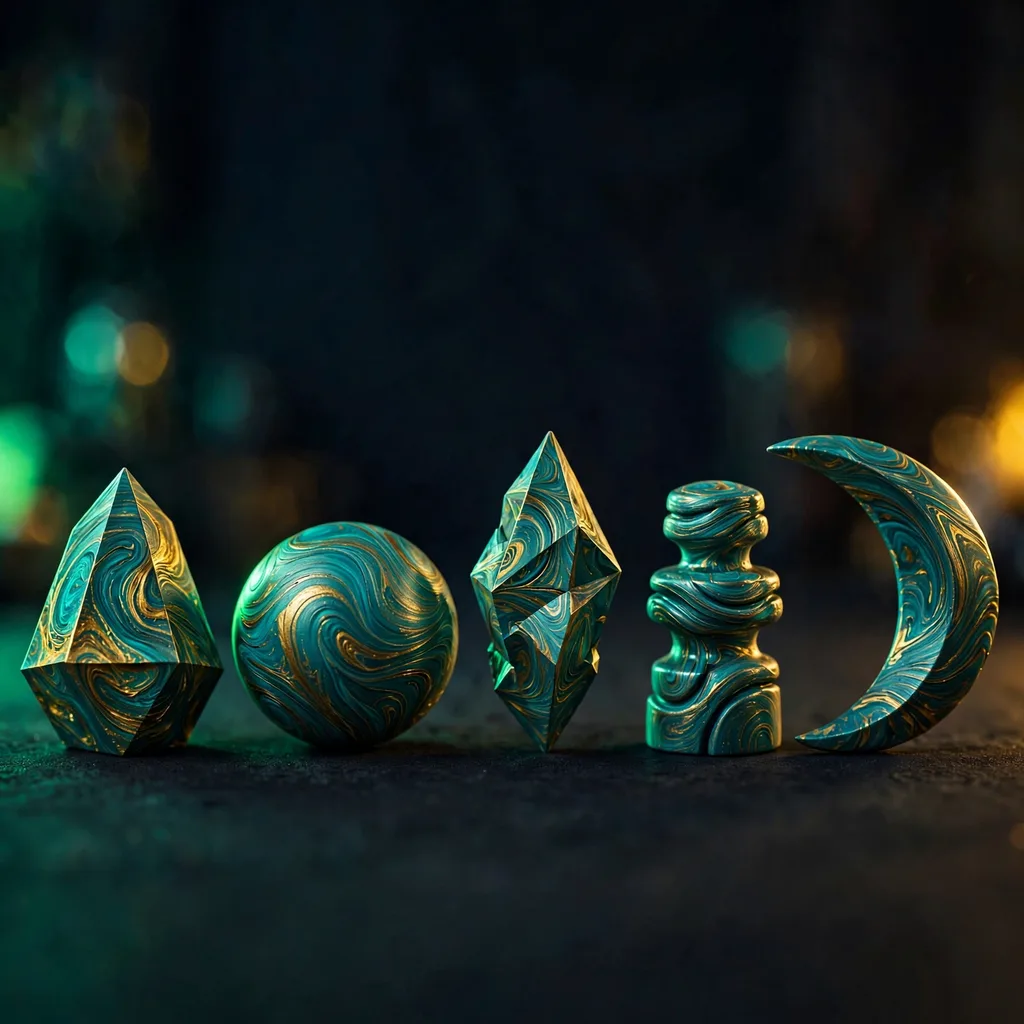
Most weapon skins in Rainbow Six Siege are tied to one specific weapon: own the skin, and only that gun can wear it. A universal skin works the other way round. It is one finish that can be equipped across many weapons, so a single item gives your whole arsenal a matching look.
That one difference shapes everything else about them:
- Coverage over depth. Instead of collecting a favourite finish gun by gun, one universal skin covers the weapons you actually play.
- A consistent loadout. Attackers and defenders, primaries and secondaries, can all share the same look.
- One item in your inventory. The finish lives on your account as a single item that is applied wherever you choose, rather than as dozens of near-identical copies.
Universal skins are still cosmetics. Like every skin, they change appearance only and have no effect on gameplay.
//- 02 - WHY PLAYERS WANT THEM
WHY PLAYERS WANT THEM
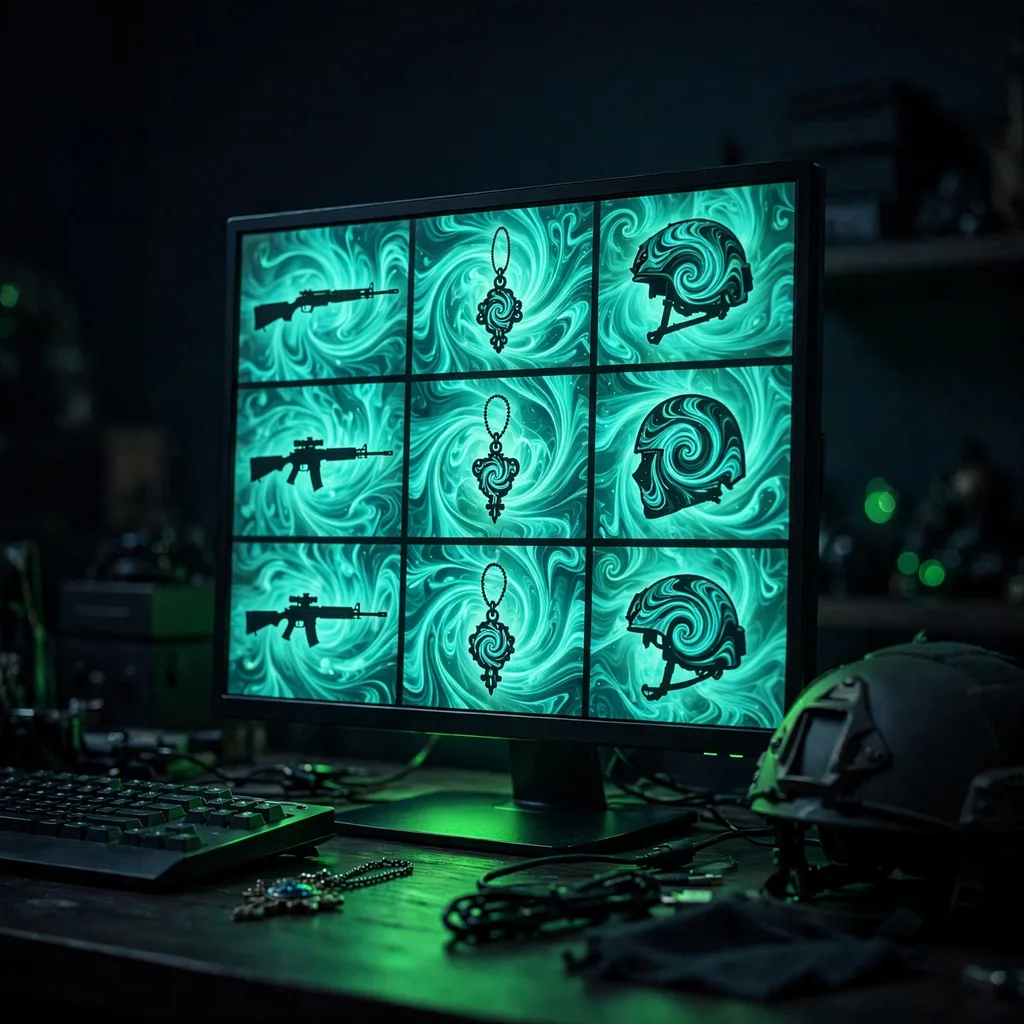
Universal skins draw demand for practical reasons rather than rarity stories. Players who rotate through many operators do not want to start their collection again for every new gun; a universal finish solves that in one purchase or drop. Players who care about a clean, matched loadout also prefer them, because the alternative — mixing unrelated finishes across weapons — never quite looks finished.
They also age well: a weapon-specific skin loses its use the moment you stop playing that gun, while a universal skin keeps working every time you pick up something new.
//- 03 - HOW THEY ARE OBTAINED
HOW UNIVERSAL SKINS ARE OBTAINED
Universal skins have typically been released through a mix of routes — seasonal content, events and the in-game shop among them. The route matters, because it feeds into whether a given skin can ever be traded.
A general pattern reported across the Marketplace is that items bought directly, especially as part of shop bundles, are often not tradable, while items from randomised or seasonal distribution more often are. Treat that as a rule of thumb only — Ubisoft sets eligibility item by item, and it can differ between two similar-looking skins.

//- 04 - TRADING A UNIVERSAL SKIN
TRADING A UNIVERSAL SKIN
The tradability of a universal skin is printed on its item card, and the card is the final word:
- Check the card first. If it does not say tradable, the skin cannot be listed — no exceptions and no workarounds.
- Current-season items wait. Items from the current season only become tradable in the following season.
- New items carry a hold. Anything you have just acquired sits under a 15-day resale hold before it can be listed.
- Listing is not selling. Even an eligible skin only trades when a buyer’s bid meets your ask on the order book.
One status note: Ubisoft currently lists the Marketplace as temporarily closed, with no reopening date announced. The rules above describe how trading universal skins works for when it returns — verify the current position on Ubisoft’s official pages.
//- 05 - UNIVERSAL VS COLLECTING
UNIVERSAL SKINS VS COLLECTING WEAPON BY WEAPON
The alternative to a universal skin is building the same look one weapon at a time, and the two approaches suit different players. Collecting per-weapon finishes lets you choose the best design for each gun and gives a varied arsenal — every weapon can wear something chosen for it. The cost is effort and duplication: the look you love has to be found again for every weapon you play, and pieces for weapons you drop become dead inventory. A universal skin trades that variety for consistency and simplicity — one item, every loadout matched, nothing stranded when you switch roles. Neither approach is more legitimate. Collectors tend to prefer the hunt; players who rotate operators and weapons tend to prefer the coverage. Knowing which kind of player you are settles most buying decisions in this category.
//- 06 - BEFORE YOU TRADE
WHAT TO CHECK BEFORE YOU TRADE ONE
Before you buy or sell a universal skin, run the same checks you would for any item — they matter more here because the stakes feel bigger. Confirm the card says tradable, and note exactly which weapons the finish covers; “universal” describes a wide range, not a promise of every gun in the game. If you are buying, remember the 15-day hold before you could relist it, and that Credits spent cannot be cashed back out. If you are selling, remember the 10% fee comes out of your side of the sale, and price from the order book — the resting bids and asks — rather than from what the skin cost you. And if a deal is offered outside the official Marketplace, walk away: every trade inside the system is protected by it, and every trade outside it is not.
//- 07 - FREQUENTLY ASKED QUESTIONS
Straight answers
HOW UNIVERSAL SKINS WORK
Does one universal skin really cover every weapon?
It covers a wide range of weapons rather than literally every item in the game — the exact coverage depends on the skin. What defines it is that one item serves many weapons, unlike a normal skin that fits one gun.
Is a universal skin better value than a normal skin?
It depends what you play. If you use many weapons, one universal finish replaces a whole set of individual skins. If you main a single gun, a weapon-specific skin you love may be the better pick. There is no universal answer — it follows your own play.
How are universal skins obtained?
Typically through a mix of routes — seasonal content, events and the in-game shop among them. The route matters, because it feeds into whether a given skin can ever be traded.
Why do players who rotate operators prefer universal skins?
Because they do not want to start their collection again for every new gun. One universal finish gives attackers and defenders, primaries and secondaries, a matched look — and unlike a weapon-specific skin, it keeps working every time you pick up something new, instead of becoming dead inventory when you stop playing a gun.
Does a universal skin affect gameplay?
No. Universal skins are still cosmetics — like every skin, they change appearance only and have no effect on gameplay.
TRADING A UNIVERSAL SKIN
Are universal skins tradable?
Some are and some are not. Eligibility is set by Ubisoft per item, and the item card decides. Universal skins obtained through direct purchase are often not tradable; never assume — check the card on yours.
I just acquired a universal skin. When could I list it?
Not straight away. Anything you have just acquired sits under a 15-day resale hold before it can be listed — and items from the current season only become tradable in the following season. Even then, listing is not selling: an eligible skin only trades when a buyer’s bid meets your ask on the order book.
What should I check before buying a universal skin?
Confirm the card says tradable, and note exactly which weapons the finish covers — “universal” describes a wide range, not a promise of every gun in the game. Remember the 15-day hold before you could relist it, and that Credits spent cannot be cashed back out.
How should I price a universal skin I am selling?
Price from the order book — the resting bids and asks — rather than from what the skin cost you. And remember the 10% fee comes out of your side of the sale, so the price it fills at is never the amount you receive.
Someone offered me a deal on a universal skin outside the official Marketplace. Is it safe?
No. Every trade inside the official system is protected by it, and every trade outside it is not — so if a deal is offered outside the official Marketplace, walk away. Ubisoft currently lists the Marketplace as temporarily closed, with no reopening date announced, so any “live” deal offered today deserves extra suspicion.
//- 08 - RELATED TOOLS
RELATED TOOLS
- Item Categories — where universal skins sit among all item types
- Skins & Collections — how sets and themed releases work
- Can I Sell This? — check whether your item can be listed